
3D Scanning Studio
Doncaster: Send parts for 3D Scanning
On-site 3D scanning in Doncaster is unavailable
We offer In-house 3D scanning for items sent and returned via courier
As we are based in the West Midlands, we are unable to provide on-site scanning services in your area at this time. However, we do offer 3D scanning services for items from Doncaster that can be sent to us via courier. Our professional metrology-grade 3D scanning services provide precise data to accurately digitise real-world objects and assemblies.
Why Work With Formeon?
Formeon are experts in high-precision 3D geometry capture and detailed reverse engineering services. We proudly lead the way in 3D scanning and reverse engineering, delivering exceptional quality and precision in transforming physical objects into digital formats for a wide range of applications. Our services, supported by state-of-the-art scanning technology and expert engineering expertise, cater to the varied requirements of different industries, including part inspection and reverse engineering.
Accurate & Powerful Data
In-house 3D scanning
Comprehensive Inspection
Scan to CAD Geometry
Our services
Digitise reality
3D Scanning
The process of capturing the form and dimensions of a physical object using a 3D scanner. Our 3D scanning service creates precise digital models for applications like reverse engineering, quality inspection, and product design. 3D scanning offers several significant benefits, including exceptional accuracy and efficiency. It excels in capturing detailed geometries and complex surfaces, that are unfeasible to measure manually and replicate in CAD.

Scan to CAD
Reverse Engineering
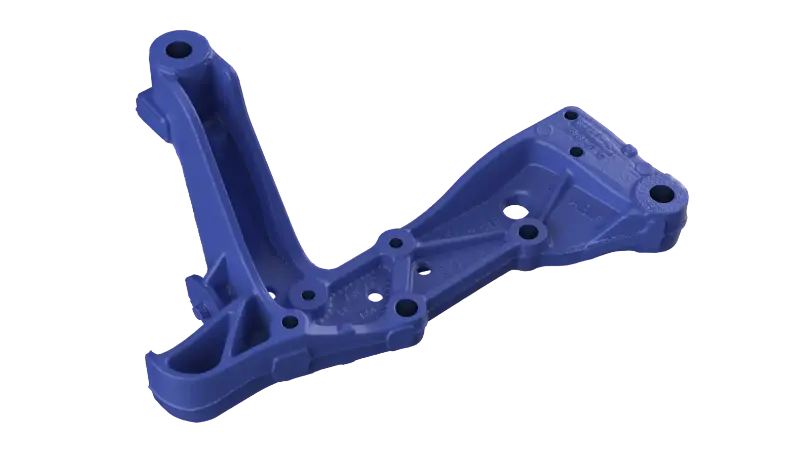
Designers and engineering teams value reverse engineering for its efficiency and cost-effectiveness in replicating, developing, or archiving real-world components. We produce usable CAD models, aiding development, analysis, or manufacturing. Formeon capture and recreate intricate details and complex surfaces, resulting in substantial time and cost savings while reducing the risk of human errors during measurement and replication.
3D Scanning Benefits
We 3D scan objects and assemblies for measuring, inspection or referencing purposes across many sectors and industries. Here’s how we help.
- Reverse engineering
- Part inspection
- Reference model creation
- Fast, accurate and reliable data
Enhance Efficiency
Eliminate the unreliable and demanding burden of manually measuring or replicating intricate surfaces or parts
Precise Data
High-speed metrology grade 3D scanning captures parts and assemblies with precision, eliminating the need for error-prone manual measurements.
We've worked with




Why reverse engineer parts?
Scan to CAD Geometry
A cost-efficient and effective method of creating manufacturing-level CAD data when none is available.
Reinstate Design Intent
Capture precise dimensions and geometries of a part and restore its original design, even if the physical part has worn out or altered over time.
Remove Hand Measuring Parts
3D scanning is much quicker than hand measurements, significantly reducing the time required for data collection and recreation.
Get in touch
We work in many industries and undertake many different projects. If you're based in Doncaster and can send your parts to us, reach out and we'll be able to support you.
Broad competance
Industries we serve
We get involved with many different sectors 3D scanning many different parts, artefacts or assemblies. We can 3D scan large objects such as boats and vehicles down to smaller parts like gears or key fobs.
Aftermarket & Motorsport
- EV or bespoke vehicle conversions
- Performance parts
- Out-of-production parts
Medical & Healthcare
- Orthotics and prosthetics
- Custom mobility products
- Compression garments
The 3D Scanning Process
Acquiring data
How we work
Successful 3D scanning requires a solid understanding of the project requirements and a blend of technical adaptability and robust client collaboration. These components collectively guarantee that the scanning procedure is efficient and produces data that is valuable and meets the requirements.
Part Review
We start by gaining an understanding of the intended purpose of the data, as this will impact subsequent stages and ensure that any scanning conducted is thorough yet cost-effective. Additionally, we assess the size, material, and complexity of the component.
Setting Up
We create and implement a scanning strategy to ensure we capture all required surfaces and features. We then get started randomly applying scanning targets or reference artefacts to make sure the 3D scanner will be well-referenced in 3D space.
3D Scanning
After calibrating our 3D scanner, we start the scan. We cover every part that requires data collection, just like digitally spraying paint on it. This data is then sent to our computer as a point cloud for further processing.
Post Processing
Once all necessary geometry is captured, the point cloud data is converted into a mesh and refined to remove scanning artefacts and extraneous elements. From here, we either deliver the refined mesh data as an .STL or advance to the reverse engineering phase.
Our Work in 3D Scanning
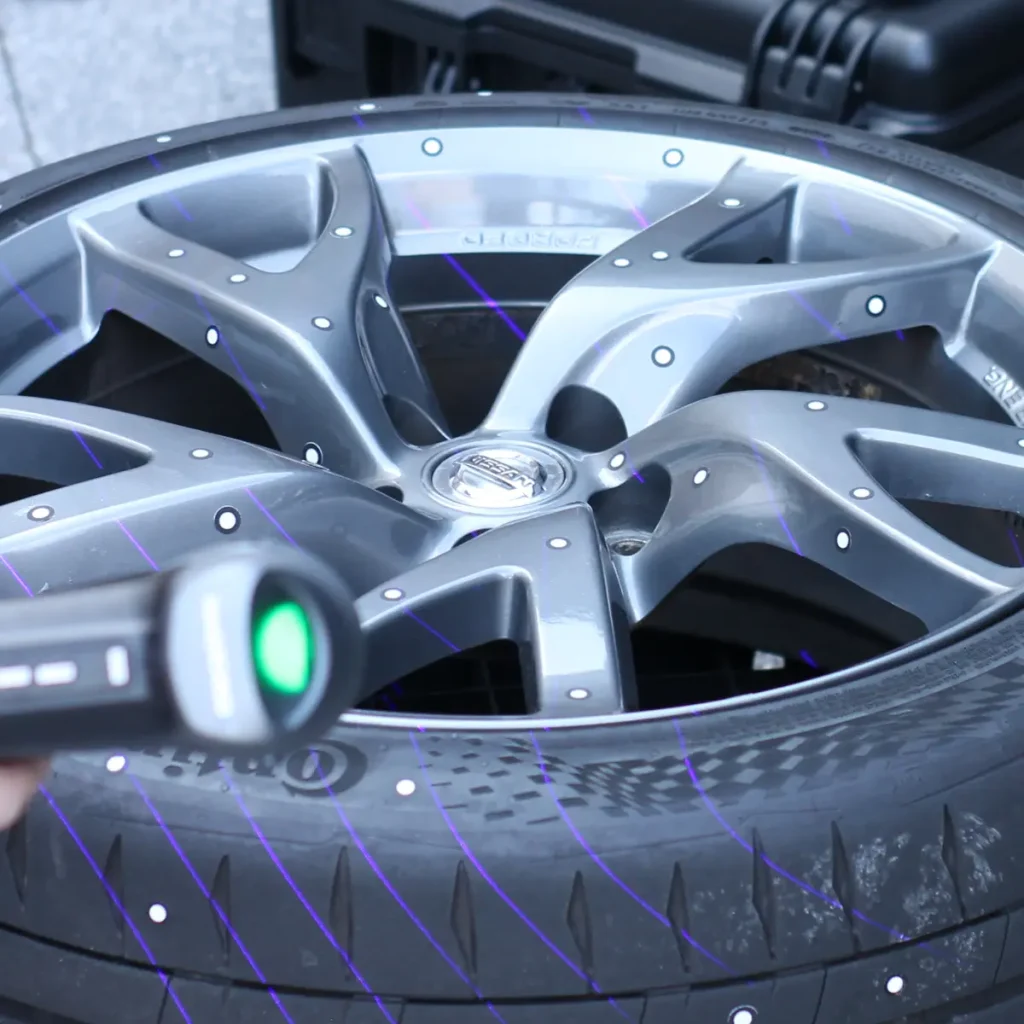
Nissan 370z Rays Wheel
Using a 3D scanner captures information at such a rapid pace it is hard to imagine ever creating this information by hand. Using our scanner, we’re able to capture the compound-curving surfaces of the 19″ alloys and tyres in extreme detail.
This was all done without the need for sprays or special tricks to capture the glossy surfaces or black, energy-absorbing rubber.
Applications
- Assembly fit and clash analysis
- Geometry replication and reverse engineering
- Quality control and inspection

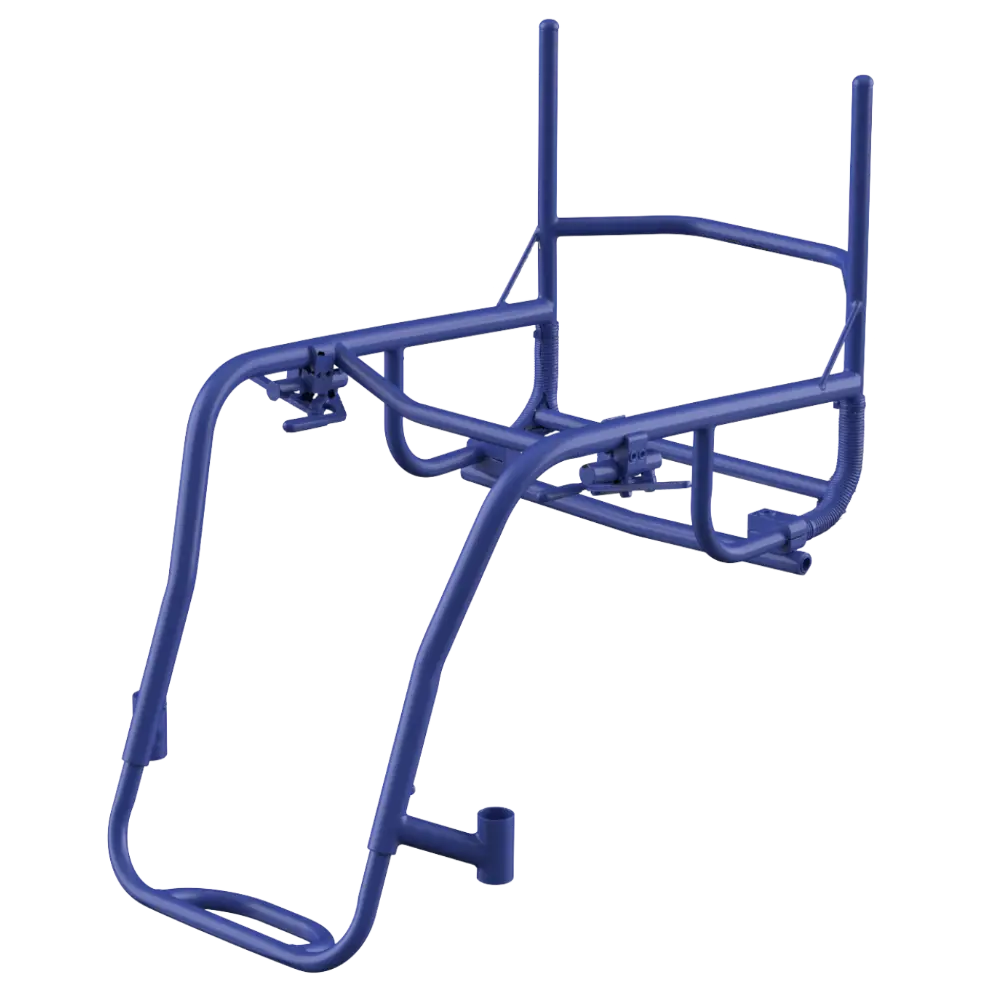
Titanium Wheelchair Frame
Titanium, known for its strength and lightness, is ideal for crafting durable, lightweight wheelchair frames.
This process ensures accurate replication or modification of the frame, enhancing the wheelchair's functionality and comfort for users, crucial in mobility aids. 3D scanning thus plays a vital role in customising and improving these essential assistive devices.
Applications
- Digital archiving of unique frame designs
- Enhanced user fit and comfort
- Analysis of competitor frame geometries
- Quality control and inspection against design specifications
VW Amarok Grille
3D scanning parts to an accuracy of less than half the thickness of a human hair means the data you get can be used in confidence and create parts that require tight tolerances for quality control or fitment.
We 3D scanned a VW Amarok grille and were able to capture its complex form, intricate assembly clips and deep pockets that some scanning technologies simply cannot reach.
Applications
- Help design perfect-fitting after market products
- Make sure bodywork modifications work within an overall assembly
- Production quality inspection

Gearbox Input Shaft
3D scanning of a gearbox input shaft, a critical component transferring power from the engine to the gearbox, enables exact digital replication for reverse engineering and accurate reproduction or redesign.
Essential for quality control, it provides detailed dimensional inspection to ensure manufacturing precision. This process is also vital for maintenance, analysing wear patterns on the shaft, which is fundamental to guide effective upgrades and enhance gearbox performance.
The non-intrusive, accurate, and efficient scanning process ensures the integrity and functionality of this key mechanical element.
Applications
- Analyse wear and tear
- Reverse engineering for part reproduction
- Dimensional inspection for QC

Get in touch
Need 3D Scanning?
Interested in unlocking the full potential of 3D scanning and reverse engineering for your project? Fill in the contact form or contact us, and we'll get back to you with expert insights tailored to your specific needs.