Recent Posts

In Virtual Reality (VR) and Augmented Reality (AR), the integration of 3D scanning has paved the way for an immersive and realistic digital experience. This technology plays a crucial role in bridging the gap between the physical and digital worlds. Let’s delve into the world of 3D scanning and explore how it enhances the VR/AR landscape.
Understanding 3D Scanning
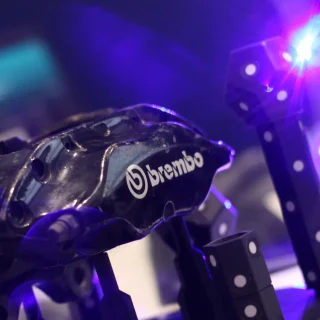
At its core, 3D scanning is the process of capturing the physical dimensions and characteristics of an object or environment and translating them into a digital representation. This is accomplished using 3D scanners to emit lasers onto the subject measuring the returned laser light. This information is then used to create a detailed 3D model with accurate measurements.

Creating Immersive Environments
In the context of VR/AR, 3D scanning enables the recreation of real-world environments with remarkable precision. By scanning objects, rooms, or entire landscapes, developers can import these digital replicas into virtual or augmented spaces. This means that the fine details of a historical monument, the contours of a room, or even the texture of a rock can be faithfully replicated, immersing users in an incredibly lifelike experience. Imagine strolling through a virtual museum and picking up a scanned artefact. The weight, texture, and even the sound of the artefact hitting your virtual palm would be faithfully recreated, deepening the sense of presence and engagement.
Empowering Industries
The applications of 3D scanning in VR/AR are diverse and far-reaching. Architecture and interior design professionals can use 3D scans to create virtual walkthroughs of buildings before construction even begins, enabling clients to experience spaces beforehand. In the medical field, 3D scanning allows for the creation of patient-specific VR simulations, aiding in surgical planning and medical training.
1. Cultural Heritage Preservation
3D scanning preserves historical artefacts digitally. A museum’s ancient statue can be scanned, creating a detailed digital replica. In an AR app, users explore intricate details like chisel marks and cracks, making history interactive and accessible.
2. Architectural Visualisation
3D scanning bridges design and reality. Scanned data of a terrain creates a virtual model in VR. Architects experience the park’s scale and proportions, optimising designs before physical construction begins.
3. Automotive Design and Engineering
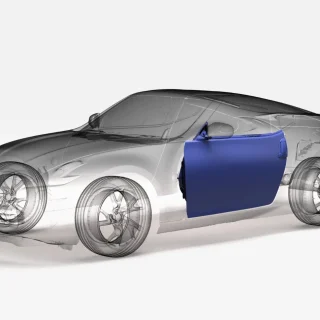
3D scans revolutionise automotive design. A concept car’s exterior and interior are scanned, imported into VR. Engineers analyse aerodynamics, material reflections, and ergonomics virtually, streamlining design iterations.
4. Medical Training and Simulation
Medical training benefits from patient-specific 3D scans. Surgeons rehearse procedures in VR using accurate anatomical models. Medical students gain insights by interacting with 3D organ simulations.
5. Retail and E-Commerce
E-commerce embraces 3D scanning. Products like furniture have scanned 3D models. AR apps enable customers to visualise items in their spaces, ensuring informed purchasing decisions.
Challenges and Future Developments
While 3D scanning has revolutionised VR/AR, challenges remain. The process of scanning and creating accurate 3D models can be time-consuming and resource-intensive. Furthermore, ensuring seamless integration of these detailed models into VR/AR platforms requires ongoing technical innovation and a fair amount of processing and/or graphical power.
In the future, advancements in real-time rendering and data compression will likely streamline the integration process, allowing for smoother and more efficient experiences.
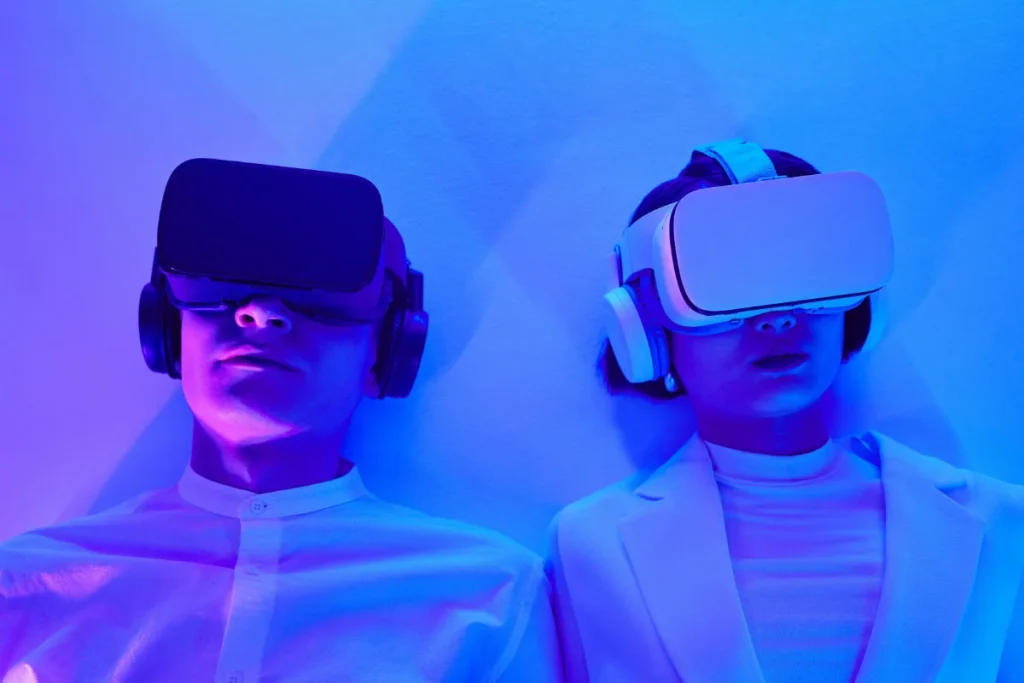
The symbiotic relationship between 3D scanning and VR/AR is transforming the way we interact with digital content. From architectural visualisation to cultural preservation, these technologies are reshaping industries and redefining our perception of reality. As we continue to push the boundaries of what’s possible, the role of 3D scanning in VR/AR is set to become even more integral, enriching our virtual experiences and blurring the line between the physical and the digital.